


What to do in Pampaneira? With best places to visit
Things to do and see in Pampaneira
In this article, you’ll find essential information on what to see and do in Pampaneira:
- A brief history of Pampaneira
- Where is Pampaneira on the map?
- What to see in Pampaneira?
- What to do in Pampaneira, in the province of Granada
- Booking accommodation
- Map of Pampaneira with places to see
- The main festivals in Pampaneira
- Some useful links
- The latest articles on Andalusia
A few words about Pampaneira and its origins
The charming village of Pampaneira in the province of Granada is a must-see destination in Andalusia, in the Alpujarra.
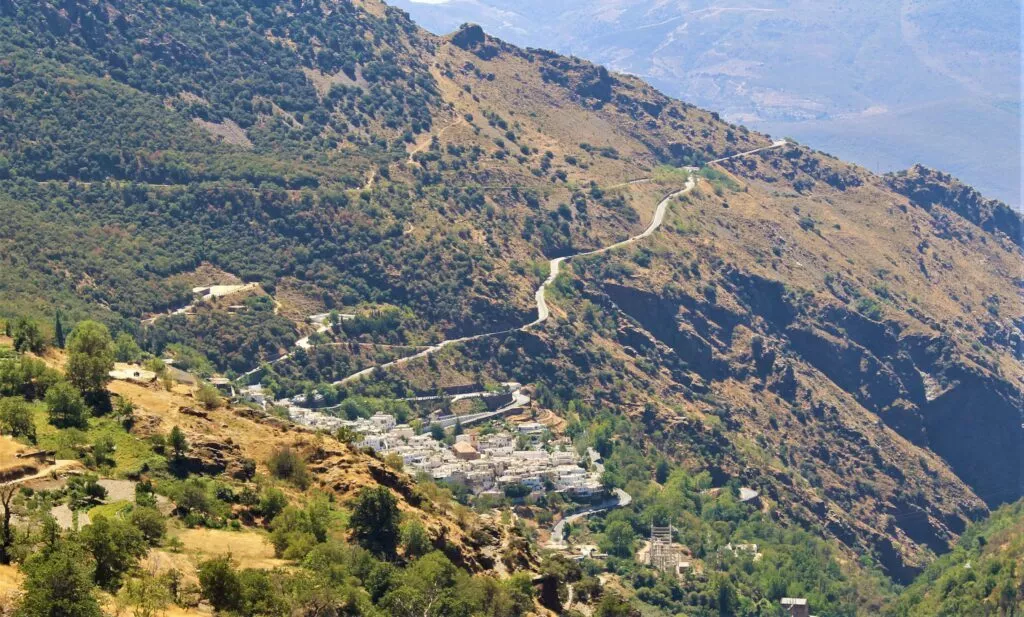
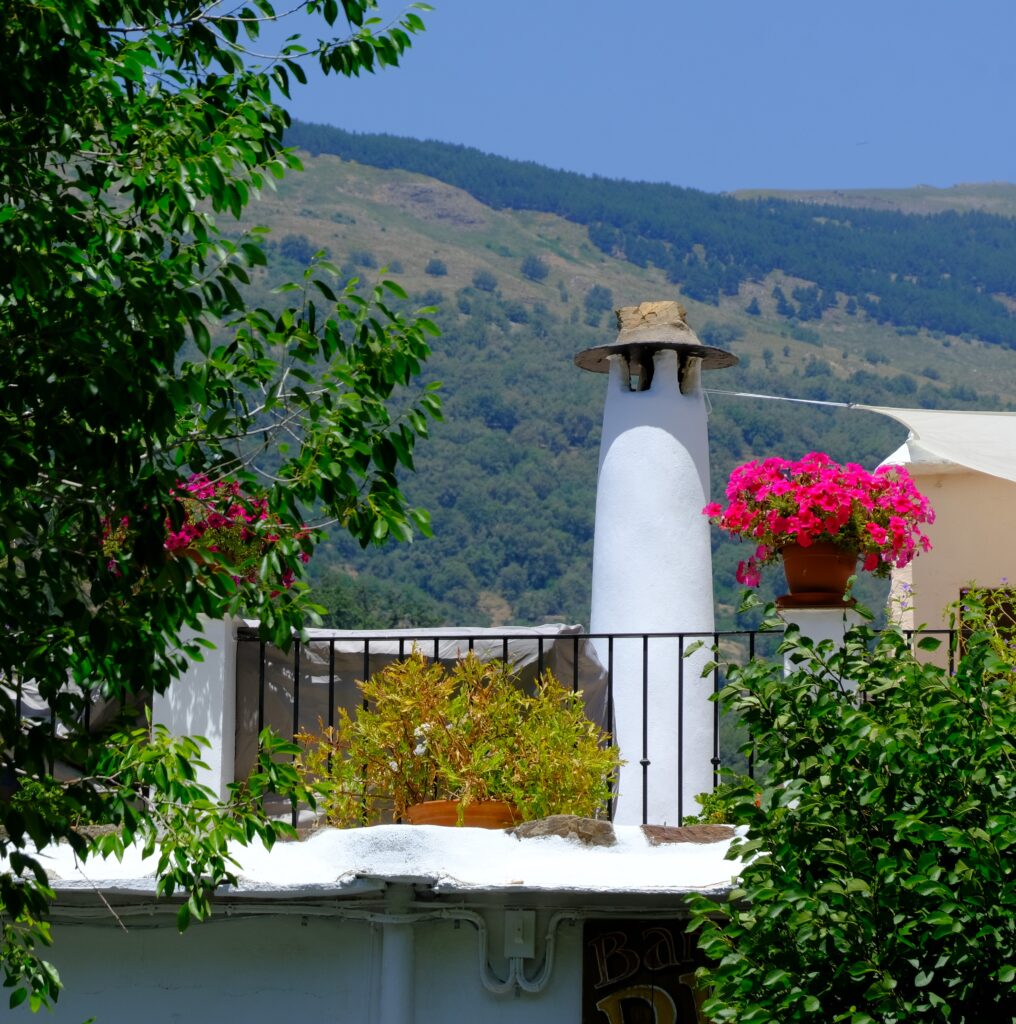
Located just over an hour from Granada, this village of 350 inhabitants lies at the heart of the Poqueira Ravine (Barranco de Poqueira), at an altitude of over 1,000 metres.
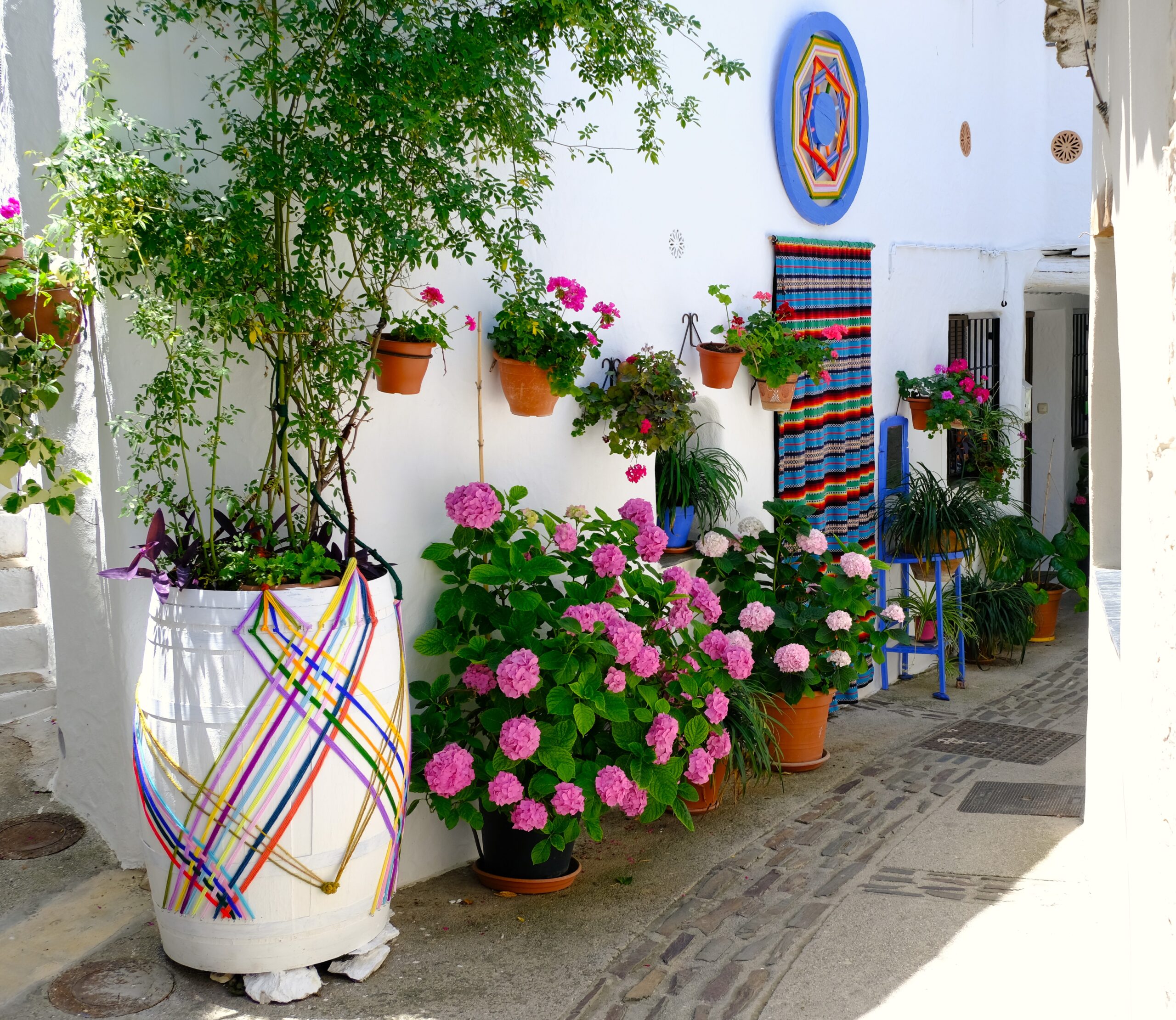
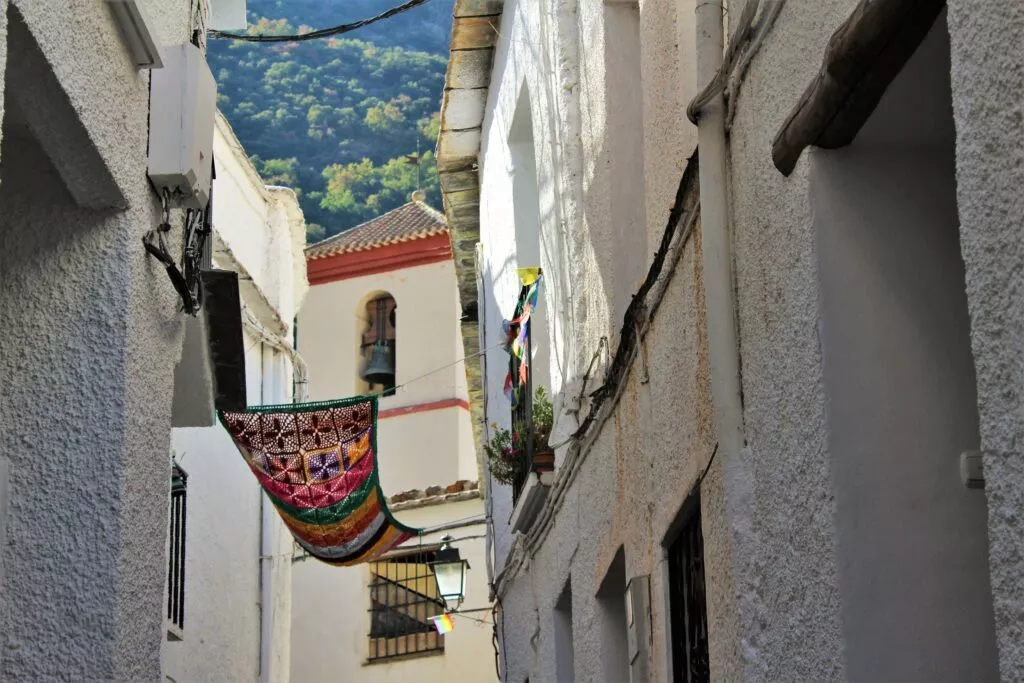
This small village in Granada – which features among Spain’s most beautiful villages – will charm you at first sight with its narrow streets and white houses that have retained their Berber architecture, as well as with the view of the imposing mountains of the Sierra Nevada.
Most of the municipality lies within the Sierra Nevada National Park.
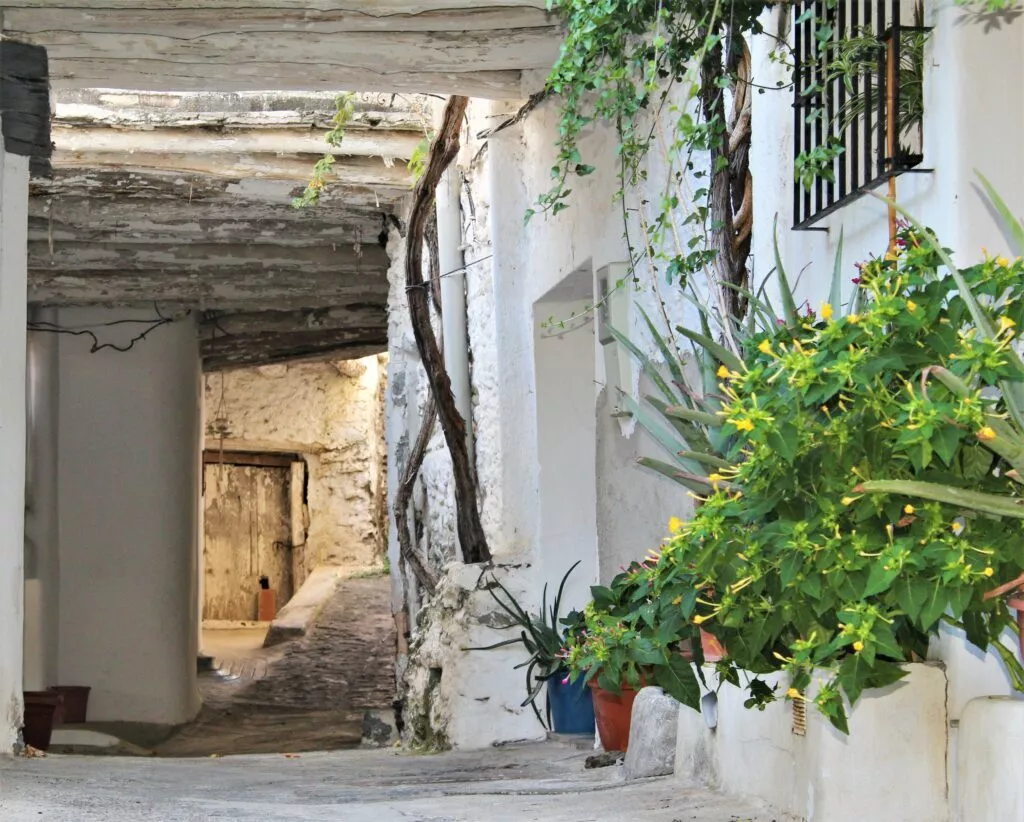
Finally, the village has been designated a Historic and Artistic Site since 1982.
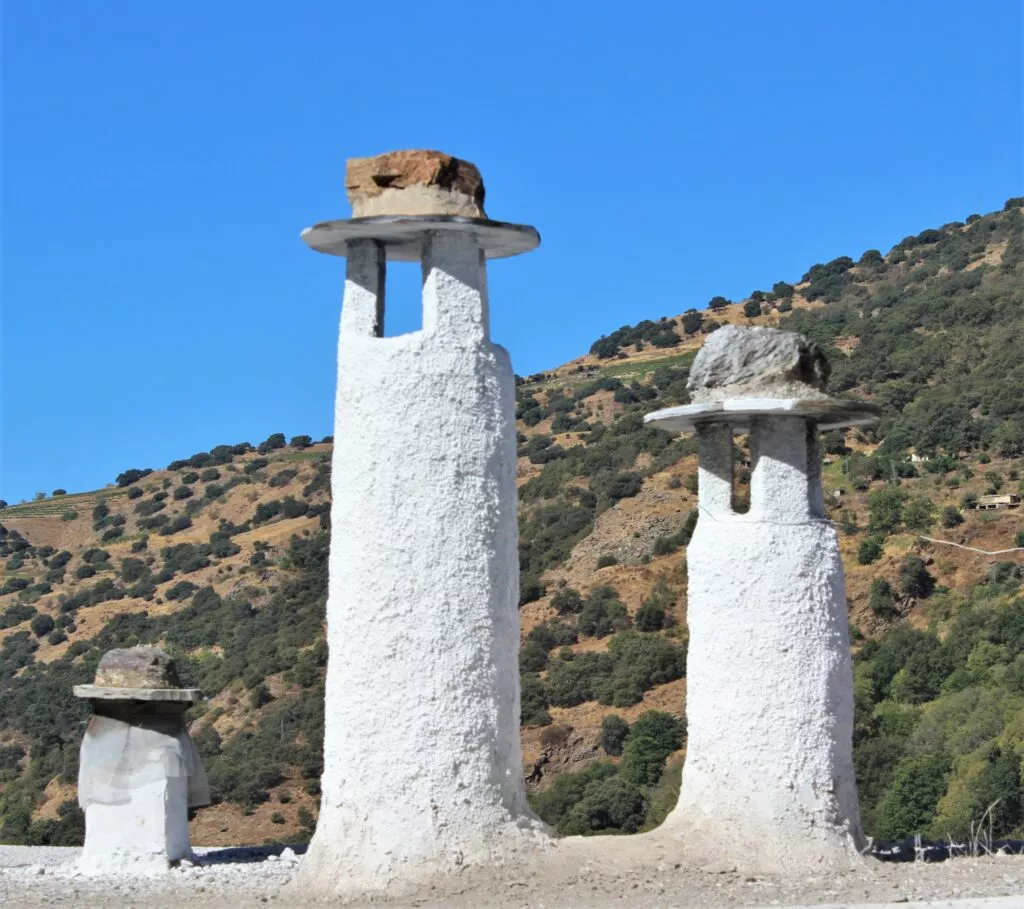
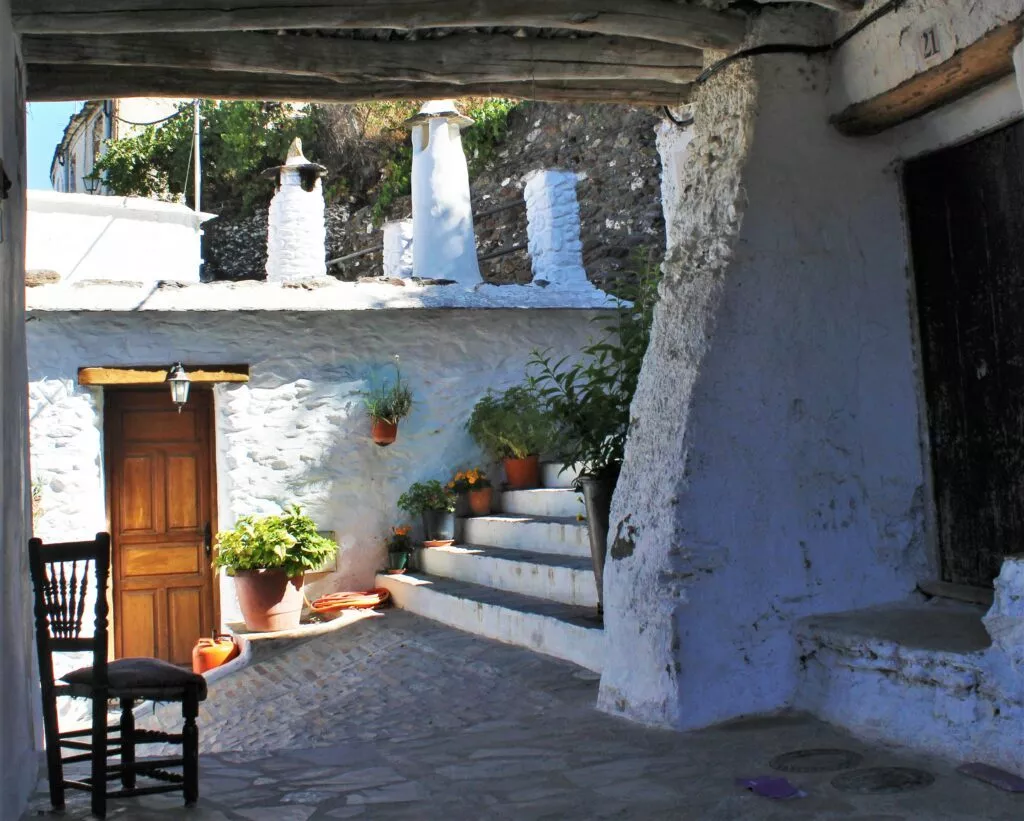
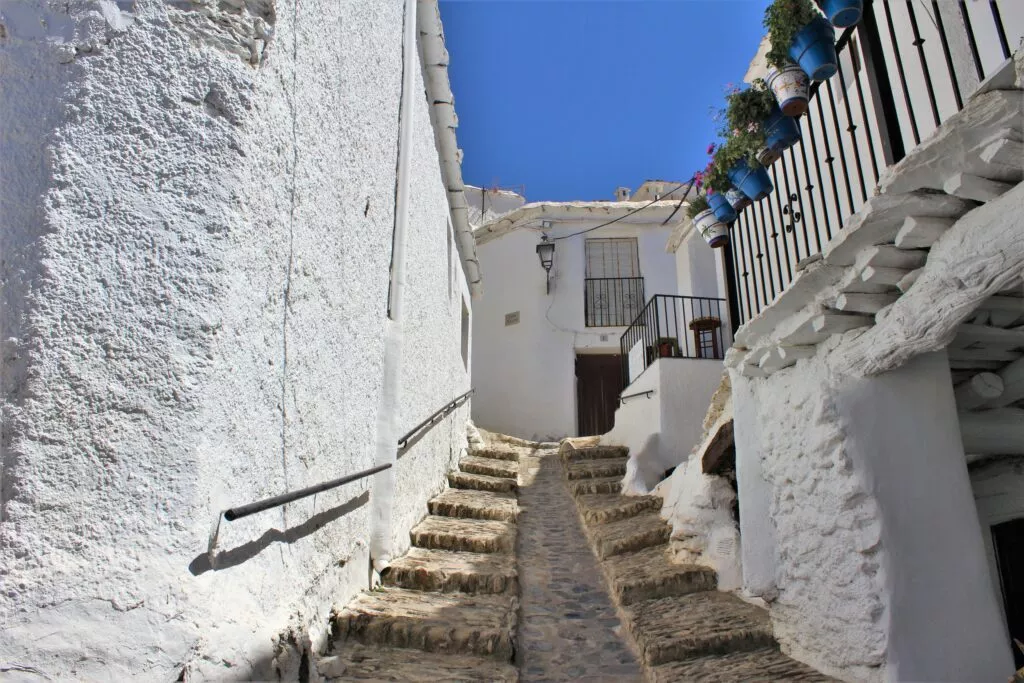
The village has all the typical features of the Alpujarra region, with its white houses clinging to the mountainside, its narrow streets that evoke its Berber past, the famous terraces of the houses – tinaos – and its chimneys topped with conical caps.
The origins of Pampaneira
According to historians, the name Pampaneira derives from the Latin word pampinarius, meaning ‘producer of vine leaves’, suggesting that this region was renowned for its vineyards and wine in Roman times.
Remains of important sites from the Al-Andalus period have also been discovered here, such as those at Alayar and Belezmín, which was the first settlement in the Taha de Poqueira founded by Yemenis.
To better understand the history of these villages in the Alpujarra, it is important to know that after the surrender of the Kingdom of Granada in 1492, many Muslims, known as ‘Moorish’ ’, took refuge in the Alpujarras and continued to live there for nearly eighty years (1492–1571), preserving their customs, religion and language (despite their official conversion to Christianity, as Moriscos).
NB: It is important to note that in 1492, the Catholic Monarchs offered, by agreement, the Alpujarra region to Boabdil, the last Nasrid king of Granada, so that he could settle there and live with his court.
Where is Pampaneira on the map?
I’m planning my stay and my trip to Pampaneira in the Alpujarra
- Book accommodation in Pampaneira
- Hire a car at Seville or Málaga airport
- Book a day trip from Granada to Pampaneira and the Alpujarra
What to see in Pampaneira?
The most beautiful spots are listed below in the form of a guide to the best places to visit in Pampaneira.
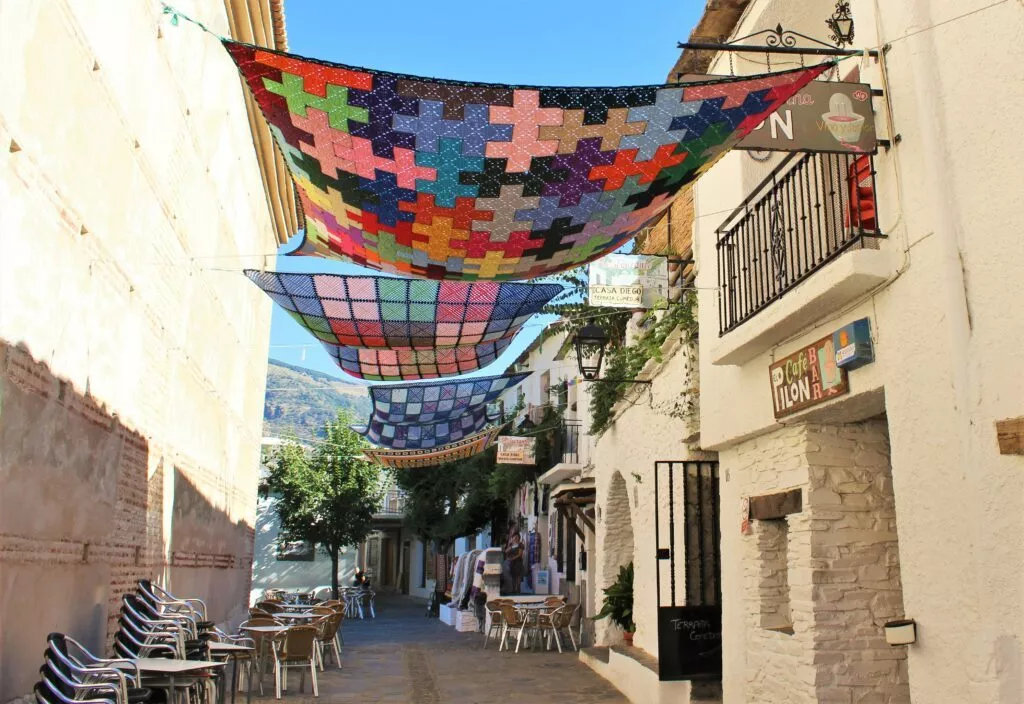
You can explore this village on a walk of around two hours, if you’ve decided to visit the villages of Bubión and Capileira afterwards.
However, you could spend a day here discovering local crafts and sampling local produce, including the famous and hearty Alpujarras dish (Plato de Alpujarras). This hearty mountain dish consists of black pudding, lomo de orza, longaniza, patatas a lo pobre (poor man’s potatoes) with fried eggs and Serrano ham!
1 – The Fountain of San Antonio
2 – Plaza de la Libertad
3 – Church of Santa Cruz
4 – The five streets in Pampaneira not to be missed
5 – Abuela Ili’s Chocolate Shop
6 – Visit the Jarapas Workshop
7 – Other nearby villages worth visiting
8 – A hiking idea on the roof of the Iberian Peninsula!
Note: further down in the article there is a map of Pampaneira showing the locations of the places mentioned.
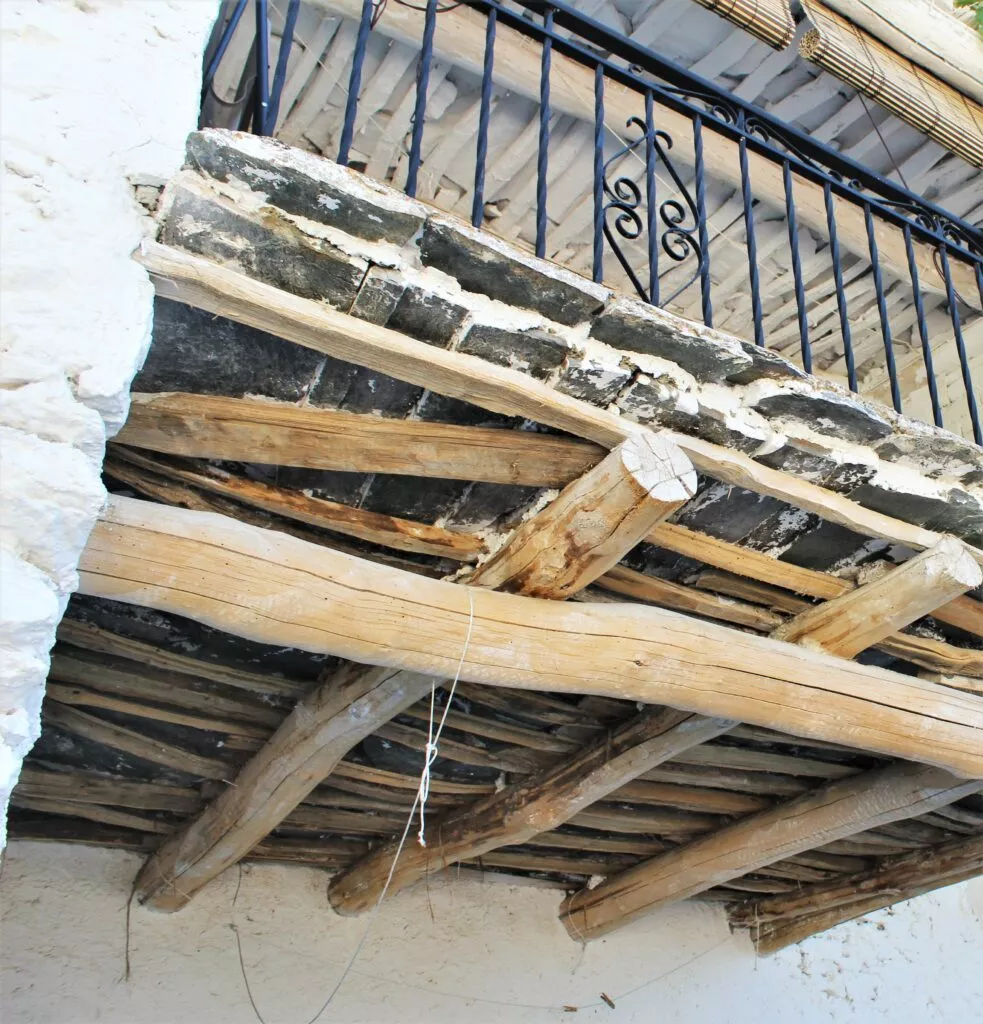
1 – The San Antonio Fountain
Just next to it, as you enter the village, you will find the San Antonio Fountain on your right, also known as the Fuente de Chumpaneira.
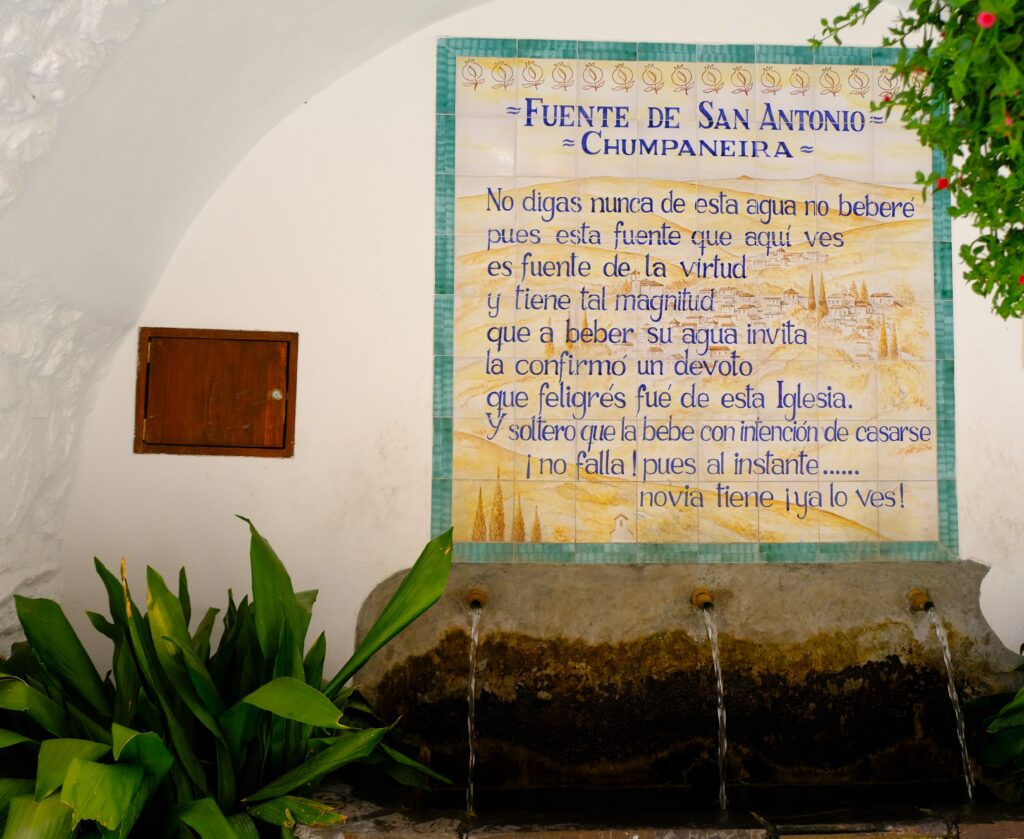
This fountain is very famous. It is said that drinking from this fountain will help everyone find love and end their single life!
2 – Plaza de la Libertad
The Plaza de la Libertad is the village’s main square, right opposite the Church of Santa Cruz. It is from this square that you set off to explore the village’s narrow, characteristic alleyways.
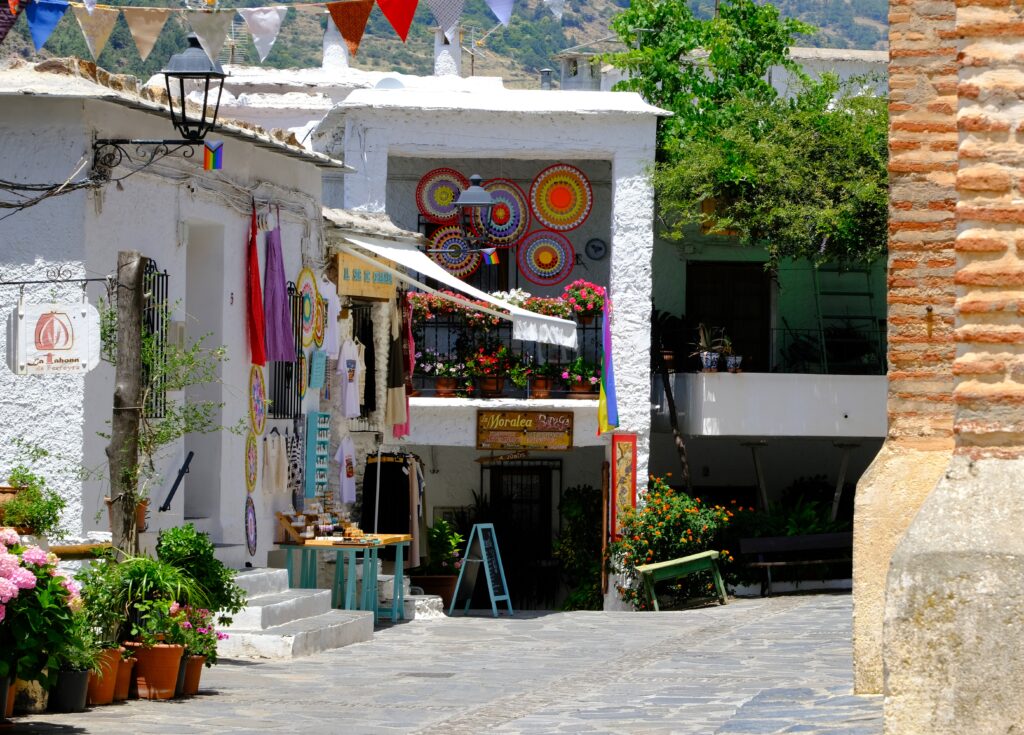
In this square, you will also find a lovely shop selling Jarapas, the famous rugs typical of the Alpujarra mountains.
A bit about Jarapas:
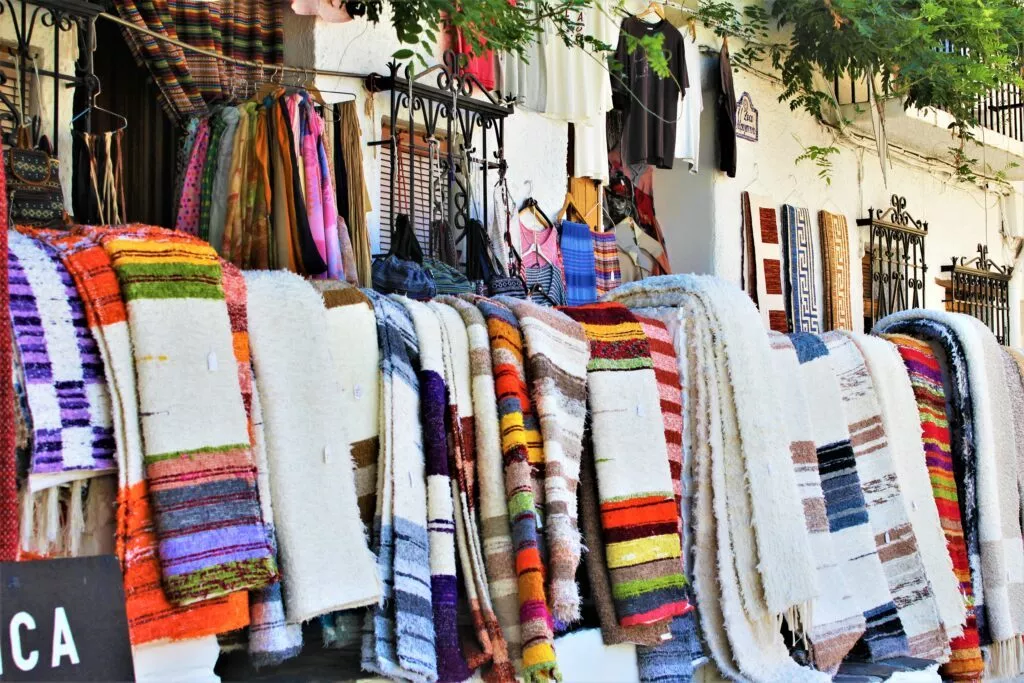
Alpujarra Jarapas are colourful rugs, made from wool or even old rags and worn-out clothes. Everything is ‘unravelled’ and then re-woven to produce these famous Jarapas. They are not just used to cover the floor; they also serve as bedspreads and sometimes as curtains.
These rugs have been woven since the 16th century. Indeed, when the Moors were driven out, their looms, originally used for silk production (one of the finest craft products of the Nasrid era in the Kingdom of Granada), were adapted to weave these famous rugs.
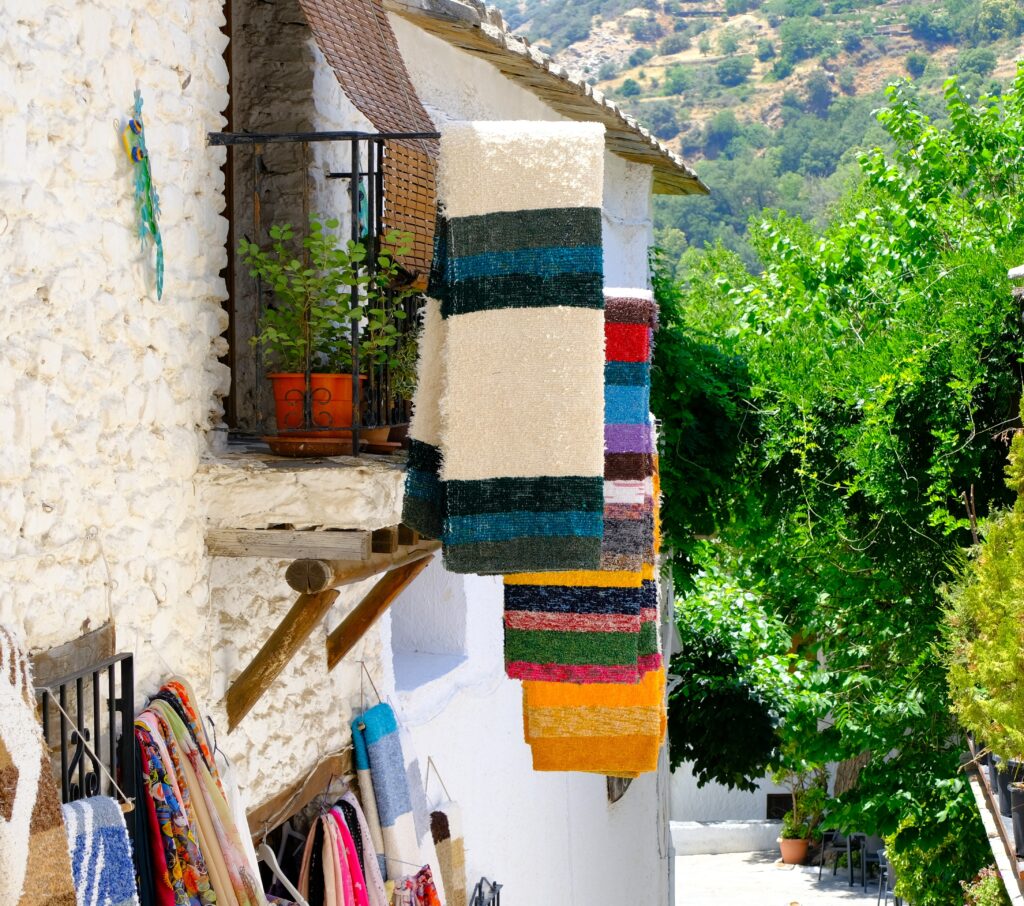
In some of the village’s shops, you can watch a demonstration of how these looms are used.
3 – Church of Santa Cruz
The Church of Sant Cruz is a Baroque-style church built in the 16th century.
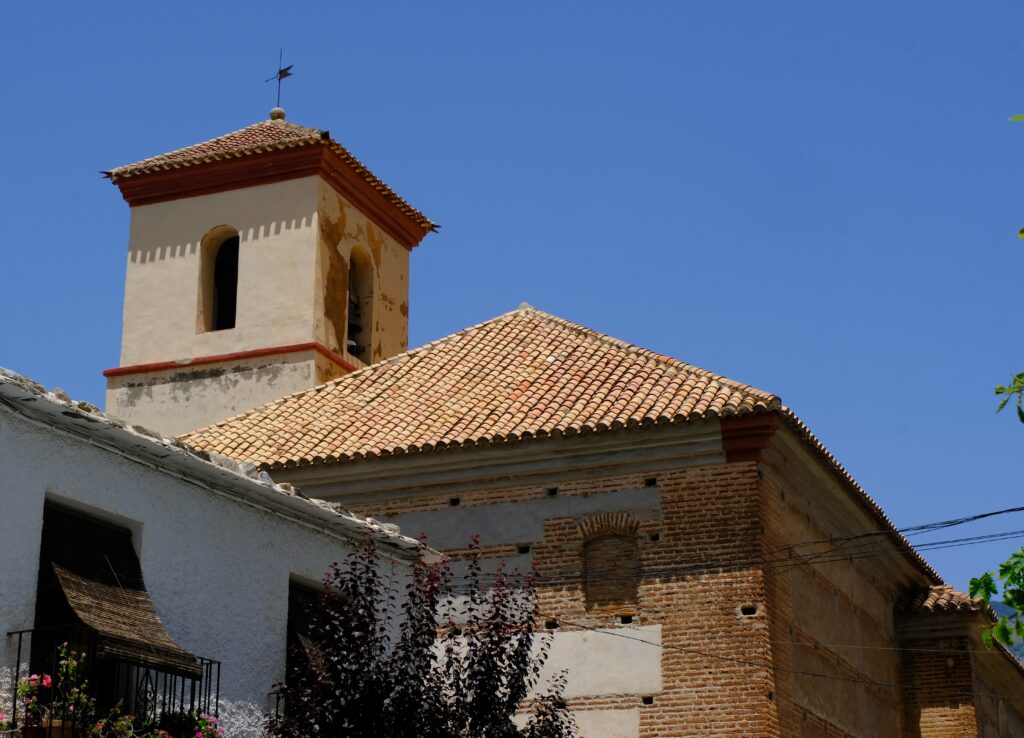
It is distinguished by the ochre colour of its tiles and the brickwork of its walls. If you have the chance to visit the interior, you can admire a splendid Mudejar-style coffered ceiling and four wooden altarpieces dating from the 17th and 18th centuries.
4 – The five streets in Pampaneira not to be missed
- La Calle del Silencio, with la Bodega El Lagar
- La Calle Real
- The Paseo Garcia Lorca, at the end of which stands a fountain with iron-rich, slightly fizzy water – the Fuente Gaseosa or Fuente Agria de Sonsoles.
- Calle Verónica, with an irrigation channel running down the middle!
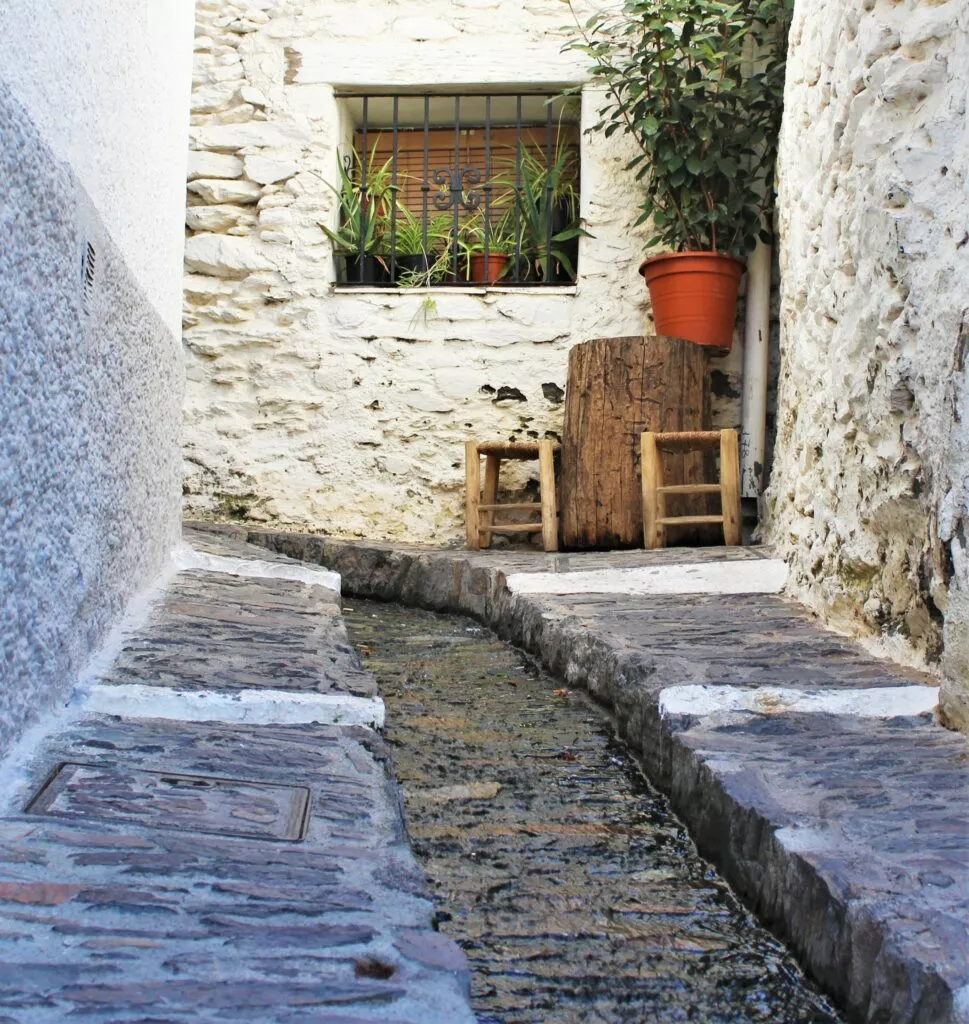
- Calle Águila is home to several shops selling crafts and local produce, and will also take you to the Lavadero, the old wash house.
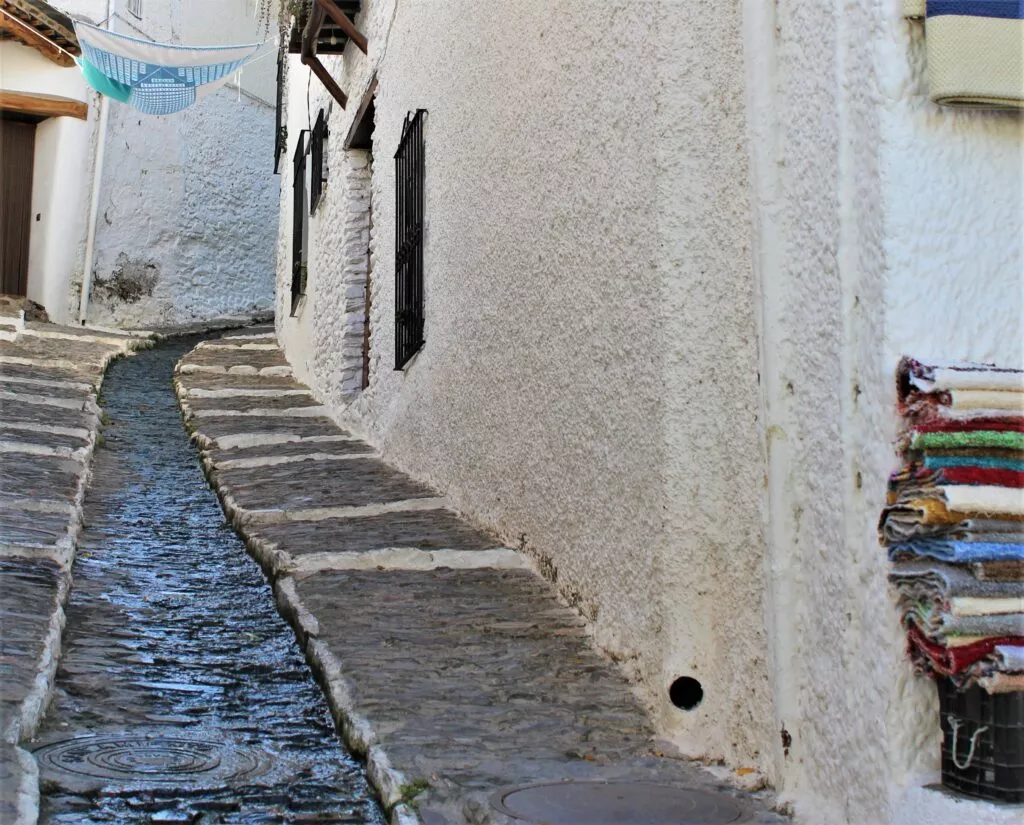
In these streets, you’ll have the chance to discover and admire several tinaos.
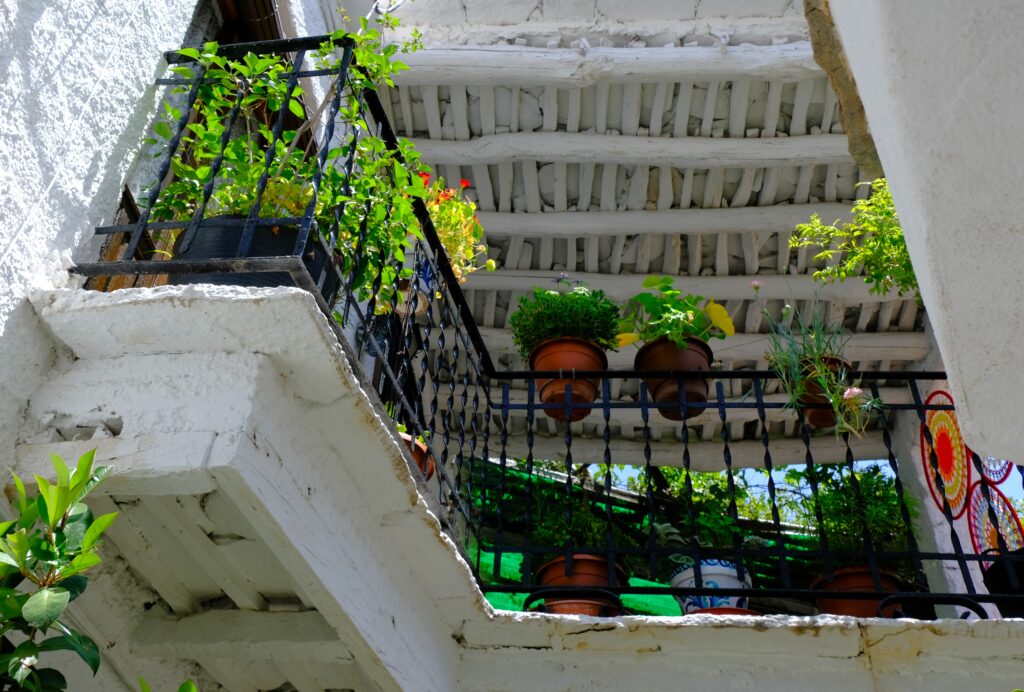
Tinaos are a traditional feature of the villages of the Alpujarra. They are covered walkways with exposed beams, adorned with flower pots, where you can stroll in the shelter on rainy or snowy days.
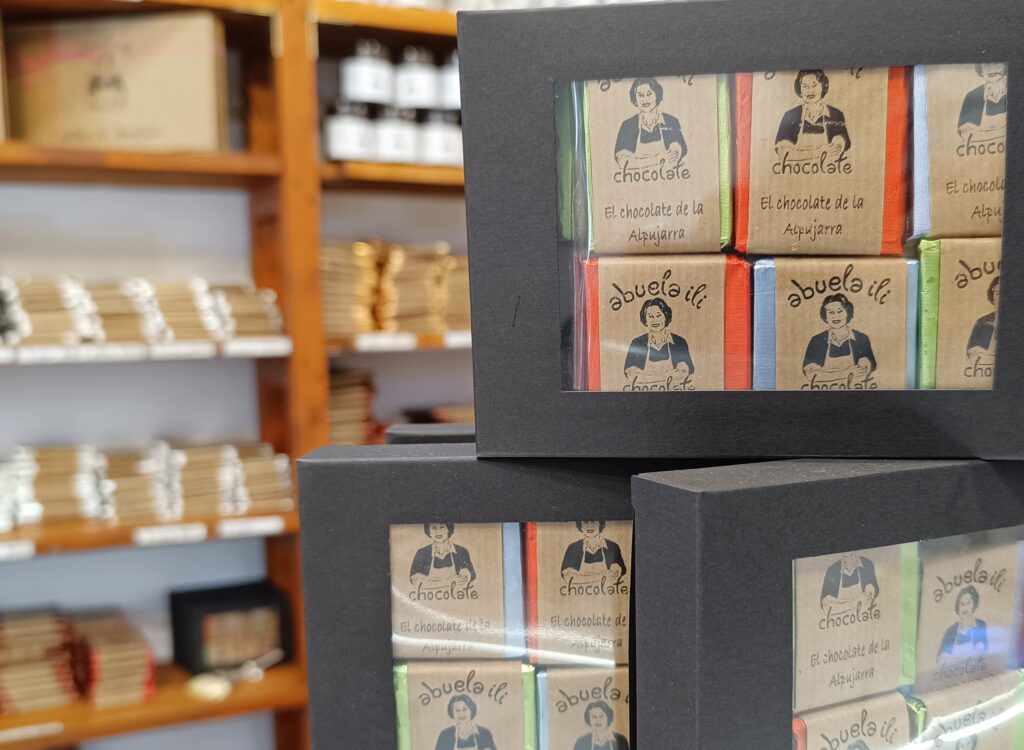
5 – Abuela Ili Chocolate Shop
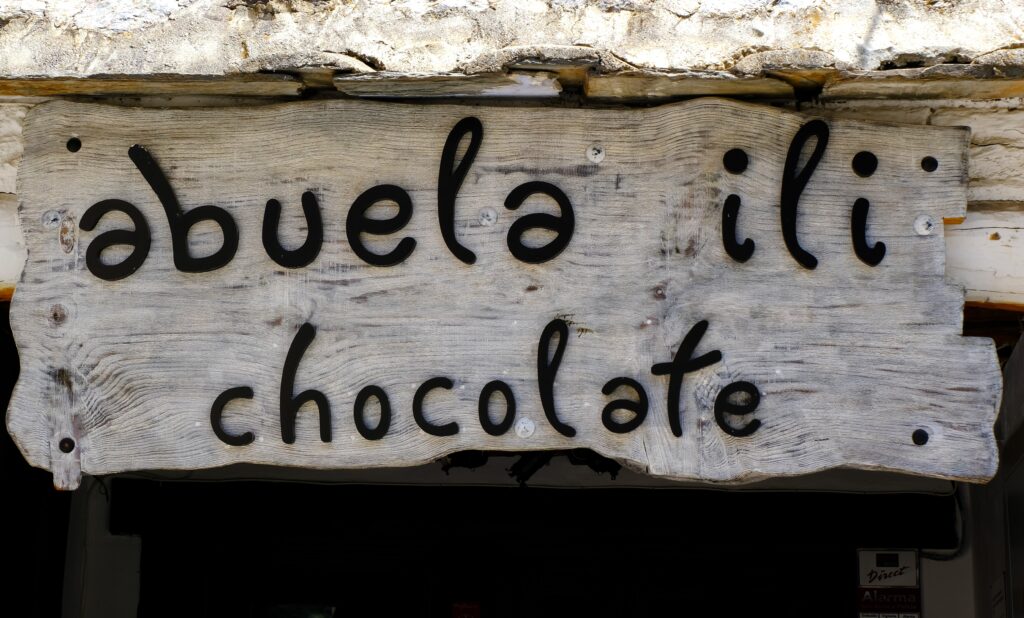
We’ll round off our tour of Pampaneira in a unique way, by sampling some wonderful chocolates from an artisan chocolate shop.
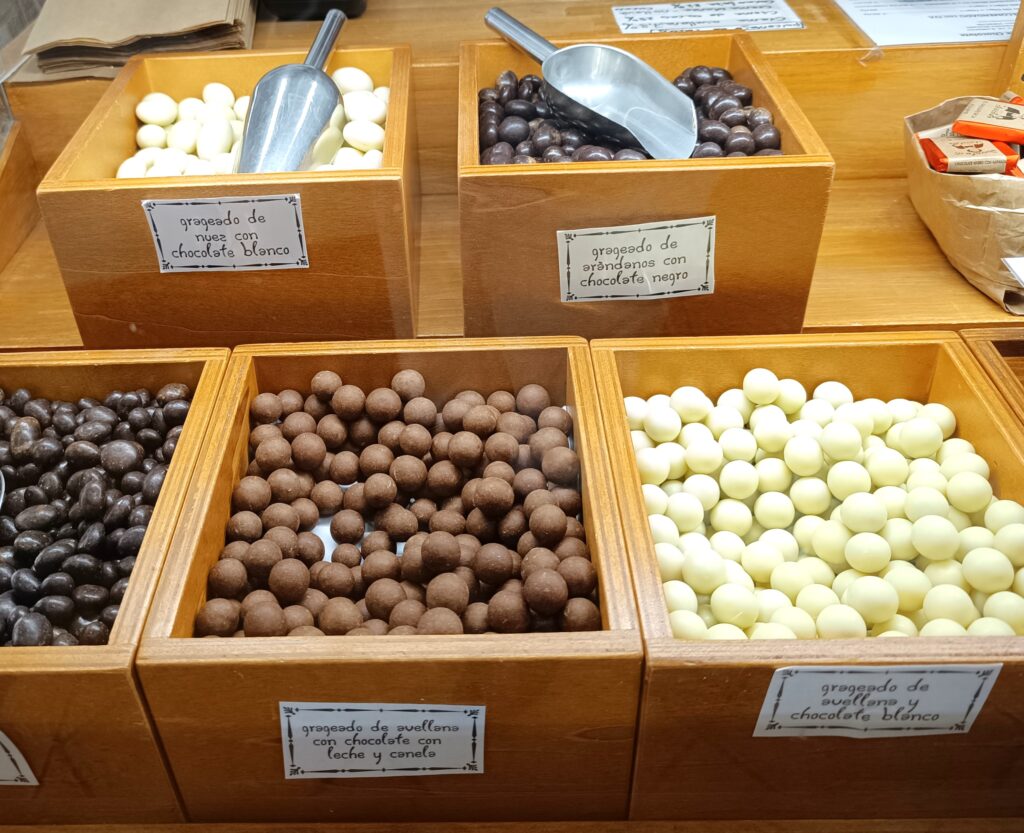
This family-run business, located at the entrance to the village, combines chocolate with local produce, and the result is truly delicious!
6 – Visit the Jarapas Workshop
Here is the address of a jarapa shop where you can see an old loom upstairs!
7 – What is there to see around Pampaneira?
As mentioned in the introduction to the best things to see in Pampaneira, you can choose to visit the famous villages of Bubión and Capileira, just 5 km away.
There is also a rather unusual village to discover in the vicinity. This is the village of Soportujar, also known as the ‘village of witches’.

If you’re travelling with children, a visit to Soportujar will be a delight for the whole family.
8 – Hiking in the Sierra Nevada
Hiking is one of the favourite activities for travellers staying a few days in Pampaneira. It’s worth noting that the Sierra Nevada National Park is home to two of the highest peaks on the Iberian Peninsula: Mulhacén and Veleta. There are several hiking trails of varying difficulty levels starting from Pampaneira.
You can also choose to explore this incredible natural environment by booking a hike to the roof of the Iberian Peninsula, starting from Capileira, 5 km from Pampaneira.
What to do in the Alpujarra, in Pampaneira?
Below you’ll find a number of ideas for activities to do in the Alpujarra. You can book them online today.
Bonus: all activities can be cancelled up to 24 hours before the scheduled date.
Book accommodation
Below, you will find all the hotels and accommodation available in Pampaneira, once you have selected your dates:
A map of Pampaneira showing the places of interest mentioned in the article
Festivities in Pampaneira
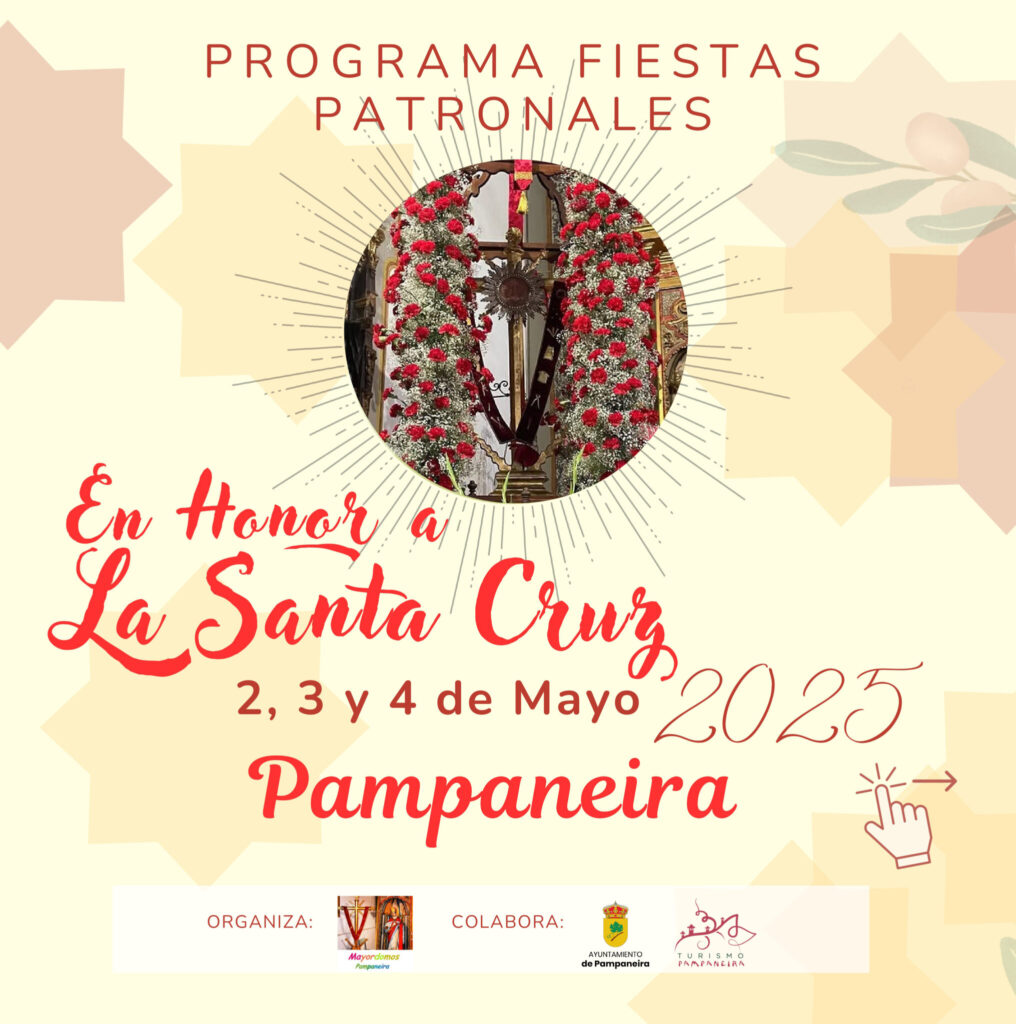
Fiestas Patronales de la Santa Cruz
Festival Sulayr
Here is a wonderful music festival, held in the streets and on the terraces and balconies (Tinaos), which takes place every year in late June – early July:

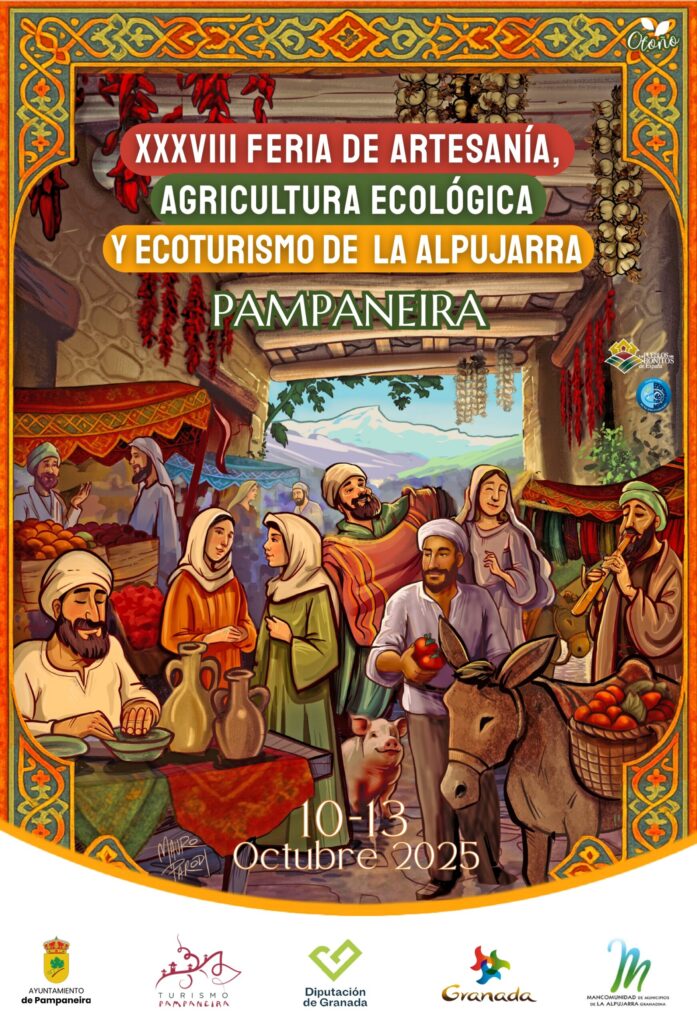
Feria de la artesanía y del ecoturismo
Some useful links
- For those staying on the Costa del Sol and wishing to visit Andalusia, here are 9 magnificent guided tours from Malaga, Torremolinos, Fuengirola or Benalmadena.
The latest articles on Andalusia
12 Things to do in Carmona and best things to see
Here is everything you need to see and do in Carmona, near Seville, to make your stay or excursion there a wonderful experience.

What to do in Motril? Visit La Lonja and see the fish auction.
You will find essential information on what to do and see in Motril. Don’t miss the best things to do and see during your stay.
What to do and see in Soportujar, the village of witches?
You will find essential information on what to do and see in Soportujar. Don’t miss the best things to do and see during your stay.

What to do in Gibraltar? Must-sees and activities
You will find essential information on what to do and see in Gibraltar. Don’t miss the best things to do and see during your stay.
